There is a particular moment in every dental tourism conversation where the patient stops asking about price and starts asking about logistics. How long will I be there? Do I need a visa? Which airport? Can I fly home five days after surgery? What if my jaw needs more work than we planned?
Those are good questions, and they are the questions that actually decide whether a trip happens. The price gap is easy to explain in one sentence. The logistics take a proper guide — so here it is.
Everything below reflects how treatment is actually sequenced for international patients, including the parts that are inconvenient to hear: the second trip most implants require, the waiting period after a graft, and the honest arithmetic of what a two-trip plan costs in airfare and hotel bills.
Start with the timeline, not the flight
The single most common mistake is booking a holiday first and working backwards. The treatment plan determines how many days you need on the ground, and only then can you pick a city and a flight.
Here is what each procedure actually involves.
| Procedure | Visits needed | Time on the ground | Can you fly home after? |
|---|---|---|---|
| Check-up, X-ray & cleaning | 1 | 1–2 days | Yes, next day |
| Teeth whitening (in-office) | 1 | Same day (60–90 minutes) | Yes, same day |
| Crown, veneer or root canal | 1–2 | 3–7 days | Yes |
| Single dental implant | 2 (sometimes 3) | Two trips over 3–6 months | After 48–72 hours, then again later |
| Bone graft or sinus lift | 1–2 | 1–2 weeks | Usually 1–2 weeks |
| All-on-4 / full arch | 2 | Two trips over 3–6 months | After a longer recovery window |
Two things in that table surprise people who have only read price lists.
First, a dental implant is rarely a single trip. The implant fixture has to fuse with your jawbone before the crown can be fitted, and that process takes three to six months. So the realistic pattern is: one trip for consultation, imaging and surgery, and a second trip a few months later for the final crown. Some clinics will schedule the impression and fitting as two short appointments a few days apart, which is why you occasionally see three visits.
Second, the cheapest treatment is not always the trip that makes sense. Flights and hotels are fixed costs. If you are flying in for a single implant, those fixed costs can consume most of what you saved. We do that arithmetic with you before you commit, and we will tell you when a trip is not worth it.
The visa question, answered honestly
You do not need a medical visa. Almost everyone travels on a standard tourist (L) visa, and many nationalities are also eligible for visa-free transit when they are passing through to another destination.
Three things worth knowing:
- Rules depend on your passport. Eligibility, permitted length of stay and whether transit applies to your specific route all vary by nationality. We cannot give you a reliable answer without knowing your passport.
- Policies are revised, sometimes with short notice. China's visa-free transit arrangements have been extended and adjusted repeatedly. Anything you read six months ago may no longer be current.
- Bring the documents that matter. Your passport with sufficient validity, onward or return travel, and proof of accommodation for the days you are in China. If you are splitting treatment across two trips, each crossing is a separate entry — check that your visa permits the number of entries you need.
Check the current position for your nationality before you buy a ticket. Or send us your passport nationality and we will check it for you and tell you exactly what applies.
Which airport, and how you get to the clinic
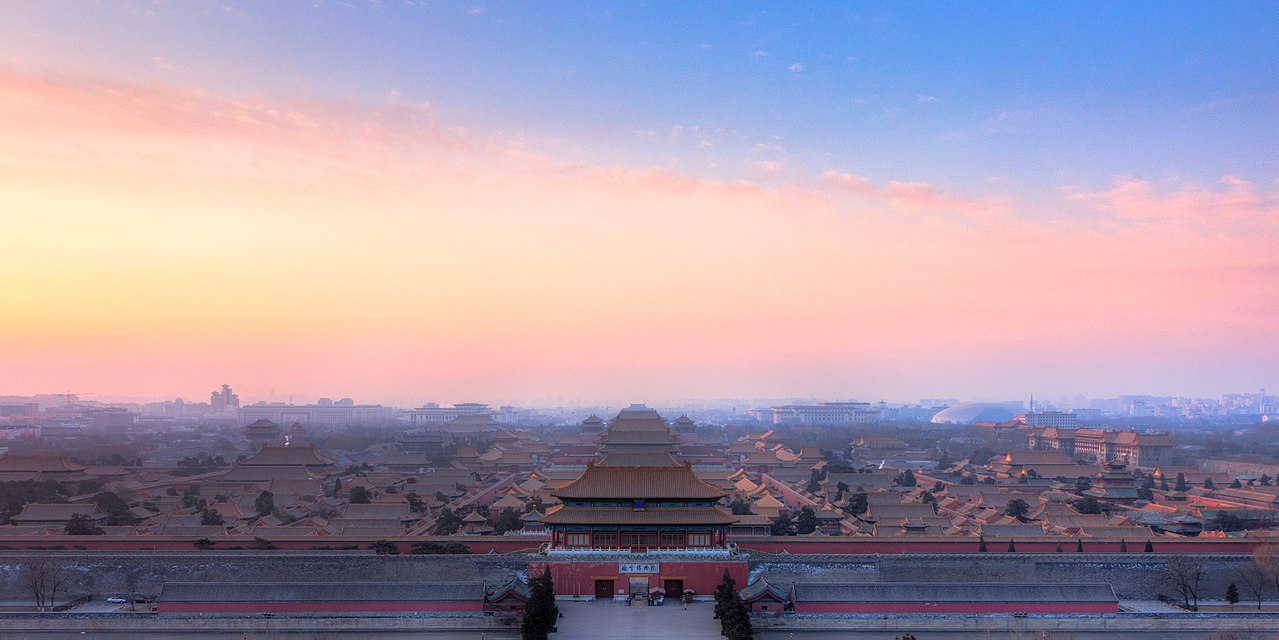
If you are treating in Beijing, you have the widest choice of routes in the country. Beijing Capital (PEK) and Beijing Daxing (PKX) both take international arrivals, and the city is where our partner clinic is based. International flight options are frequent, so scheduling around an appointment is rarely difficult.
If you are treating in Guizhou — Xingyi, Kaili, Zunyi, Bijie or Liupanshui — you fly into Guiyang Longdongbao International Airport (KWE). It is the province's main international gateway, and it connects to every one of our Guizhou destinations:
- Xingyi is roughly three to four hours from Guiyang by car or high-speed train. We arrange the transfer so you are not figuring out a bus timetable after a long flight.
- Kaili, Zunyi, Bijie and Liupanshui are all on the high-speed rail network from Guiyang, typically a short and comfortable ride.
One practical note: fly into Guiyang or Beijing and get on a train rather than trying to reach a smaller city directly. Regional flights into smaller airports can be infrequent, and a missed connection on a treatment day is a bad way to start. We handle the transfer side of this for you.
When you can fly home
This is the question patients are least comfortable asking, because the answer depends on what was actually done in your mouth. Here is the general shape of it, and the reason we would rather you ask your surgeon directly than trust a website.
After straightforward implant surgery, most clinics ask you to wait at least 48 to 72 hours before flying. The reason is swelling, which typically peaks on the second or third day, and the pressure change in your sinuses during the flight. Flying on day one, before you know how you feel, is how a manageable recovery turns into an airport problem.
After a sinus lift or a bone graft, the wait is usually longer — commonly one to two weeks, and sometimes more depending on the extent of the work. This is the single biggest reason an implant plan can require two separate trips rather than one long stay. We will tell you this at the planning stage, before you book anything.
After crowns, root canals or whitening, there is generally no flying restriction. Many patients schedule treatment on day two of a holiday and fly home on day five.
Whatever your procedure, your surgeon will give you a written clearance date with their post-operative instructions. Take that document seriously, and send it to us if you want a second opinion on the logistics around it.
The two-trip plan, and what it really costs
If your treatment needs two visits, you are buying two sets of flights and two sets of accommodation. That is where the arithmetic gets less flattering, and where it helps to look at real numbers rather than percentages.
Take the scenario on our pricing page: two dental implants, roughly $2,400–$5,600 in treatment in China against $7,000–$12,000 for the same work self-pay in the US. Pairing like for like, that is roughly $4,600 to $6,400 saved on treatment alone.
Now add the trip:
| Cost | Two-trip plan | One-trip plan (single implant) |
|---|---|---|
| Return flights | $2,000 – $3,600 × 2 | $2,000 – $3,600 |
| Accommodation & meals | $1,200 – $3,000 × 2 | $1,200 – $3,000 |
| Treatment in China | $2,400 – $5,600 | $1,100 – $2,800 |
Two trips, two implants: the treatment saving comfortably outruns the second flight and hotel, and the trip still works — usually several times over.
One trip, one implant: the fixed travel cost can absorb a large share of the saving. This is the case where we tell you plainly that a dedicated trip may not be worth it, and where combining treatment with a trip you were already planning makes far more sense.
Spending on treatment is the flexible part of this calculation. Flights and hotels are not. If you are weighing two cities, the difference in treatment price is often smaller than the difference in your airfare — which is why choosing the destination for recovery quality and flight convenience, rather than for the last $200 of treatment price, usually produces the better trip.
A sample week
When we build an itinerary, it follows one shape. This is the standard pattern for a single-visit treatment:
Day 1 — Arrival. Transfer to your accommodation, rest, no clinic. If your flight lands in the evening, this day is not negotiable — arriving and going straight to a clinic after a long-haul flight is how appointments get rushed.
Day 2 — Consultation and treatment. X-rays or CBCT, examination, your treatment plan explained, and treatment begins or happens. Afternoon free.
Day 3 — Rest. Light sightseeing at most. You have just had dental work done and your face may be swollen. This is not the day for a mountain hike.
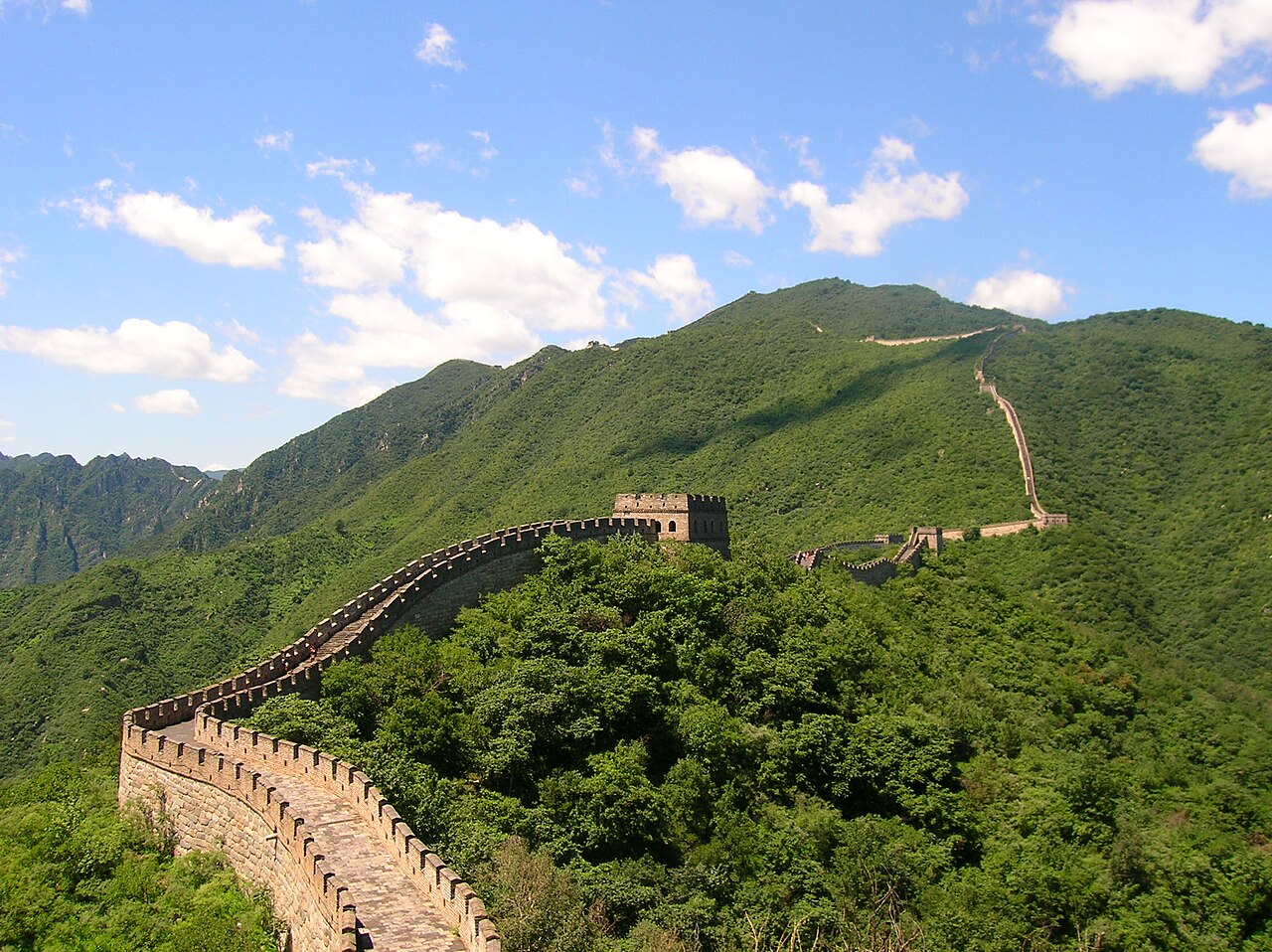
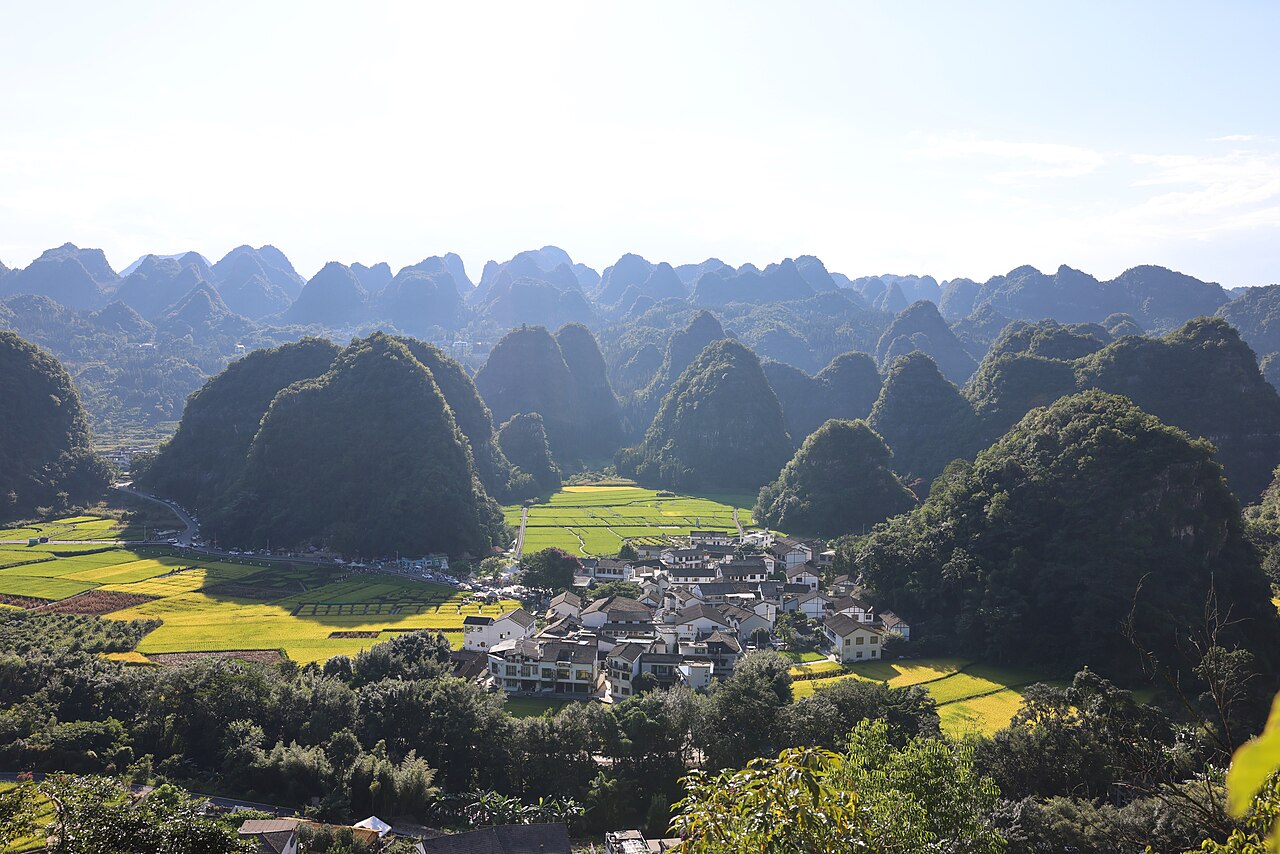
Day 4 — The good day. Follow-up check if needed, then the sightseeing you actually came for — the Great Wall from Beijing, or Wanfenglin and Maling River Gorge in Guizhou.
Day 5 — Final check and departure. Any last adjustment, your records and aftercare guide, transfer to the airport.
Guizhou is genuinely kind to recovery: cooler air, karst scenery and slow pacing make the down days feel like part of the trip rather than time lost to it. Beijing is the opposite trade — more to see, busier, and you will want to pace yourself more carefully after surgery.
What we handle, and what stays with you
It is worth being clear about the division of labour.
We coordinate: clinic selection and credential verification, your treatment plan and itemised quote, the schedule, airport transfers, accommodation suggestions, an itinerary paced around your appointments, and the communication with the clinic in between. One WhatsApp thread from your first message to your final follow-up.
Your dentist decides: the treatment itself, whether a graft is needed, how long your bone needs to heal, when you are cleared to fly, and what your aftercare should be. We do not second-guess clinical judgement, and we will not quote you a recovery date that your surgeon has not confirmed.
You bring: your passport and visa, your medical and medication history, and — if you have them — previous X-rays or CT scans. Digital copies are fine and often save a redundant scan.
Ready to start planning
The most useful first step is not booking anything. It is telling us what you need done and getting an itemised plan back, so you can see the schedule, the total cost and the number of trips before you commit to a flight.
Message us on WhatsApp with your X-rays or simply the teeth you are concerned about. We will come back with a written treatment plan, a quote, the trip structure it requires, and an honest answer about whether the trip is worth it for your case.
If you want to work through the numbers first, our pricing page compares twenty treatments side by side, and our implant cost guide goes deeper on the single implant and All-on-4. If you are still deciding which city to treat in, Beijing versus Xingyi compares cost, clinic style and recovery — and if you want to understand why patients book at all, start with the honest decision path.