The quote that starts every story
"Left upper molar, implant: $5,800. Bone graft extra."
You walk out of the dental office clutching a treatment plan that reads like a car payment. This isn't the opening of a story — it's an ordinary Tuesday for patients across the US, UK and Australia. A single self-pay implant runs $3,000–$6,000 in the United States, easily tops £2,500 at a UK private clinic, and full-arch reconstruction quotes in Australia can rival the price of a used car.
Then someone tells you: the same implant brands — Straumann, Nobel Biocare, Osstem — placed by licensed oral surgeons, cost $800–$2,800 in China.
Your first reaction probably isn't "great!" It's "China? Is that… safe?"
That reaction is completely reasonable. This article is written for exactly that moment — the honest decision path, question by question, from the shocking quote to the day you land.
First: why it's cheaper (cheap ≠ low quality)
Skepticism about overseas healthcare is healthy. But the price gap has an unglamorous explanation:
- Operating costs are different. The same surgery takes the same skill and time, but staff and facility costs in China are a fraction of Western levels.
- No insurance middle layer. Most dental care in China is paid directly to the clinic — no layered claims and markups inflating the final bill.
- A mature implant supply chain. International implant systems are used at massive scale in China; the materials are standard, not scarce.
The saving comes from cost structure, not cut corners. Whether your fixture is a Straumann or an Osstem is written into your treatment plan, in black and white, before you commit to anything.
The worries, answered one by one
These are the questions every overseas patient asks before booking — so let's take them head-on.
- "Is the clinic legitimate?" — Every clinic on our platform holds a valid Chinese Medical Institution License, with licensed dentists. Credentials are verified before any partner is listed.
- "Will anyone speak English?" — Our coordination team runs the whole journey in English on WhatsApp, and English-speaking coordinators accompany you at the clinic.
- "What if it hurts?" — Implant surgery is performed under local anaesthesia, following the same clinical protocols you'd experience at home, with a post-op care kit and follow-up visits.
- "What happens after I fly home?" — You leave with complete digital records and an aftercare guide, and the team stays reachable on WhatsApp.
- "Do I need a special visa?" — Most patients enter on a standard tourist visa or visa-free transit where eligible. We remind you to check the latest requirements for your nationality before booking.
The part that actually hooks people: you're also going on a trip
This is where "dental tourism in China" stops being a money decision and becomes a travel one. Treatment days are only a few hours; the rest of the week is yours.
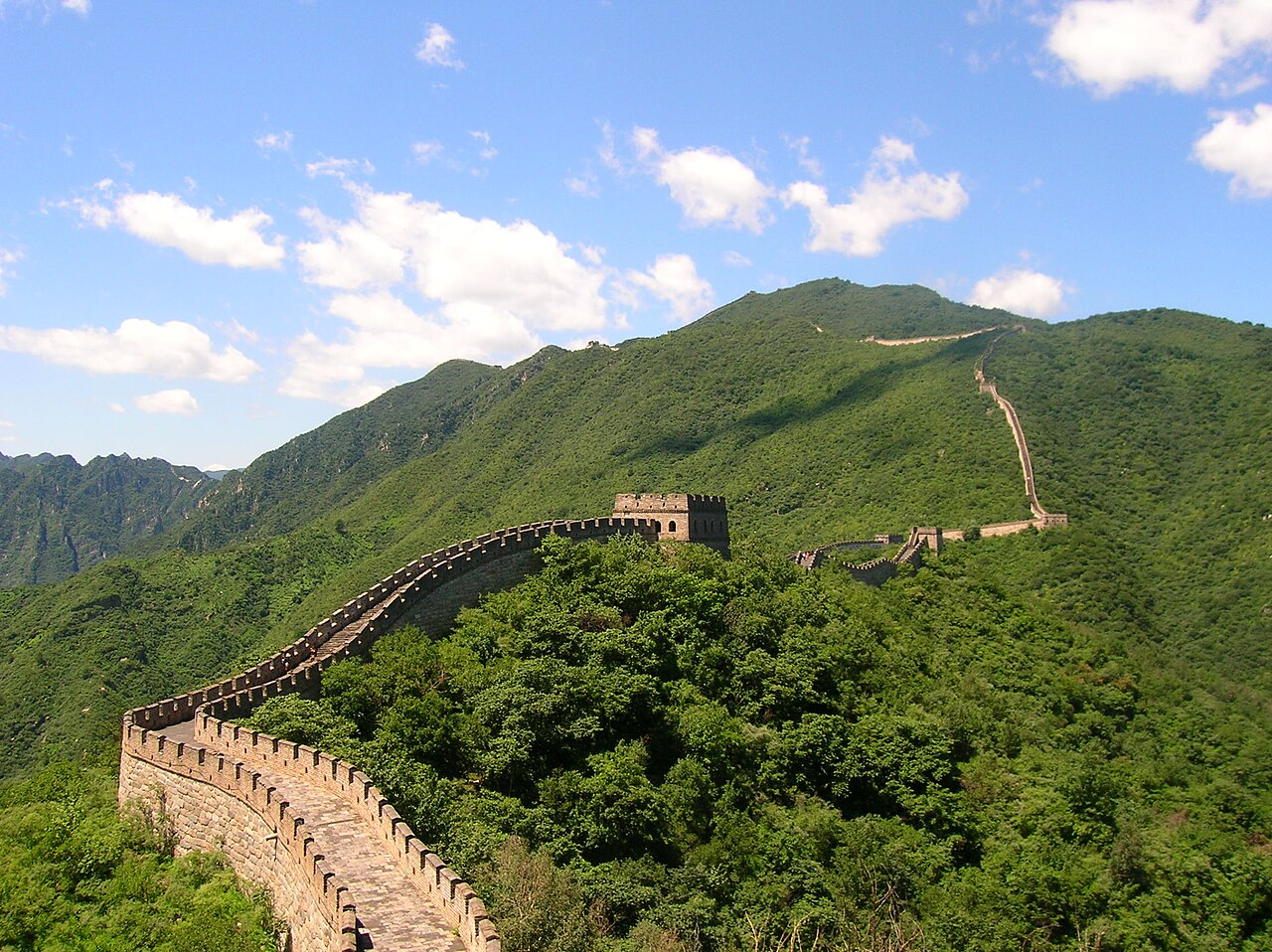
- Beijing — the Great Wall, the Forbidden City, hutong alleyways and Peking duck. Yes, you can climb the Mutianyu Great Wall the week after implant surgery, at your own pace.
- Guizhou — the cone-shaped karst peaks of Wanfenglin, the waterfalls of Maling River Gorge, and a long-table feast in a Miao village. Cool air and slow living make it a genuinely restful place to heal.
- A paced itinerary — built around your appointments: consultation → treatment → light sightseeing → follow-up. Your mouth never gets overworked, and neither does your schedule.
Patients keep telling us the same thing: when friends back home ask "what did you do to your teeth?", they end up telling the travel story instead. The new teeth come home with you — so do the memories.
The honest math
We don't hide from arithmetic — including the part where the trip isn't worth it.
| Treatment | US self-pay | China | You save |
|---|---|---|---|
| Single implant | $3,000 – $6,000 | $800 – $2,800 | ~60–75% |
| All-on-4 full arch (per jaw) | $20,000 – $30,000 | $8,000 – $17,000 | $12,000+ |
- One implant: flights and hotels can erase the difference. Honestly — a dedicated trip may not pay off.
- All-on-4 or multiple implants: the treatment saving usually beats travel costs several times over. Almost always worth it.
- Already planning a China trip: the treatment is practically free money on the side. It works out every time.
We run this calculation with every enquiry — and when the trip doesn't make sense, we tell you not to come.
The first step is smaller than you think
You don't need to book a flight. You don't need a visa. You don't even need to decide.
- Send your X-rays (or CBCT) and the teeth you want fixed on WhatsApp.
- Get a treatment plan — matched to a licensed clinic, with an itemised quote.
- Take your time — consider the plan at home. When you're ready, we build the trip around it.
Step 1 takes fewer minutes than reading this article did.
When you're ready, explore our destinations — dental tourism in Beijing or Xingyi, Guizhou — or dive into the numbers in our 2026 implant cost guide. Or just message us on WhatsApp and start with a single photo of your quote. We'll take it from there.